
We believe it’s time to create a deeper understanding
of the forces shaping our world

Shared understanding
We need a deeper, shared understanding of the world we are shaping together. This begins with understanding ourselves, how human behavior works, and how it shapes the systems we live in. Lodsten helps explore who we are, how we got here, and why a new perspective may be needed to navigate the future.
Individual practice
Understanding the world also requires understanding ourselves. Lodsten creates space for individuals, leaders, and organizations who want to deepen their awareness of how they think, act, and make decisions. For individuals, this strengthens personal orientation and direction. For leaders and organizations, it connects inner development with purpose, responsibility, and contribution.
Common Ground
Many people feel that something is missing in how we talk about the future. The Common Ground is about creating spaces where we can reflect together on where we are, how we got here, and what we need to protect going forward. Our ambition is to help people develop a shared sense of responsibility for the future.
The new map we are exploring:
-
![]()
1: The system
Moa Hartwig, one of Lodsten’s founders, shares why we need to rethink how we see the human being and the systems we have created. She offers insights into what makes us human, what limits us, and what enables real transformation. The aim is to build a shared understanding of the challenges we face and invite a more human way of leading and creating change.
-
![]()
2: The paradox
Read about the deeper pattern beneath today’s many challenges. How our natural ways of coping with complexity can trap us in avoidance and short-term fixes, and why lasting progress requires a shift in behavior and perspective. By seeing the pattern clearly, we lay the foundation for more conscious and sustainable change.
-
![]()
3: The hidden logic
Learn about Moloch, the hidden logic that drives us to sacrifice what matters most. Discover how we became a society that no longer honors the sacred, and how this force shapes both our personal choices and the larger systems we live within. Moloch names what many of us have long felt but couldn’t describe: a system that rewards short-term gain over long-term well-being, even among well-intentioned people.
-
![]()
4: The inner shift
The most important work begins when we ask why we keep creating the same patterns again and again. Much of what drives our world lies beneath awareness. Our beliefs, fears, and desires shape choices that feel personal, yet are influenced by forces we rarely notice. If more of us began to question where our thoughts and motives come from and chose from a deeper place of understanding, we might begin to build a world shaped by wisdom rather than competition.
-
![]()
5: The continuum
Erik Fernholm, one of Lodsten’s founders and the initiator of the Inner Development Goals, shares the story behind IDG — why it was created and how it has grown into a global movement. He explores how inner development can become a recognized and essential part of how we meet today’s global challenges, and how we can build the human capacities needed for real and lasting change.


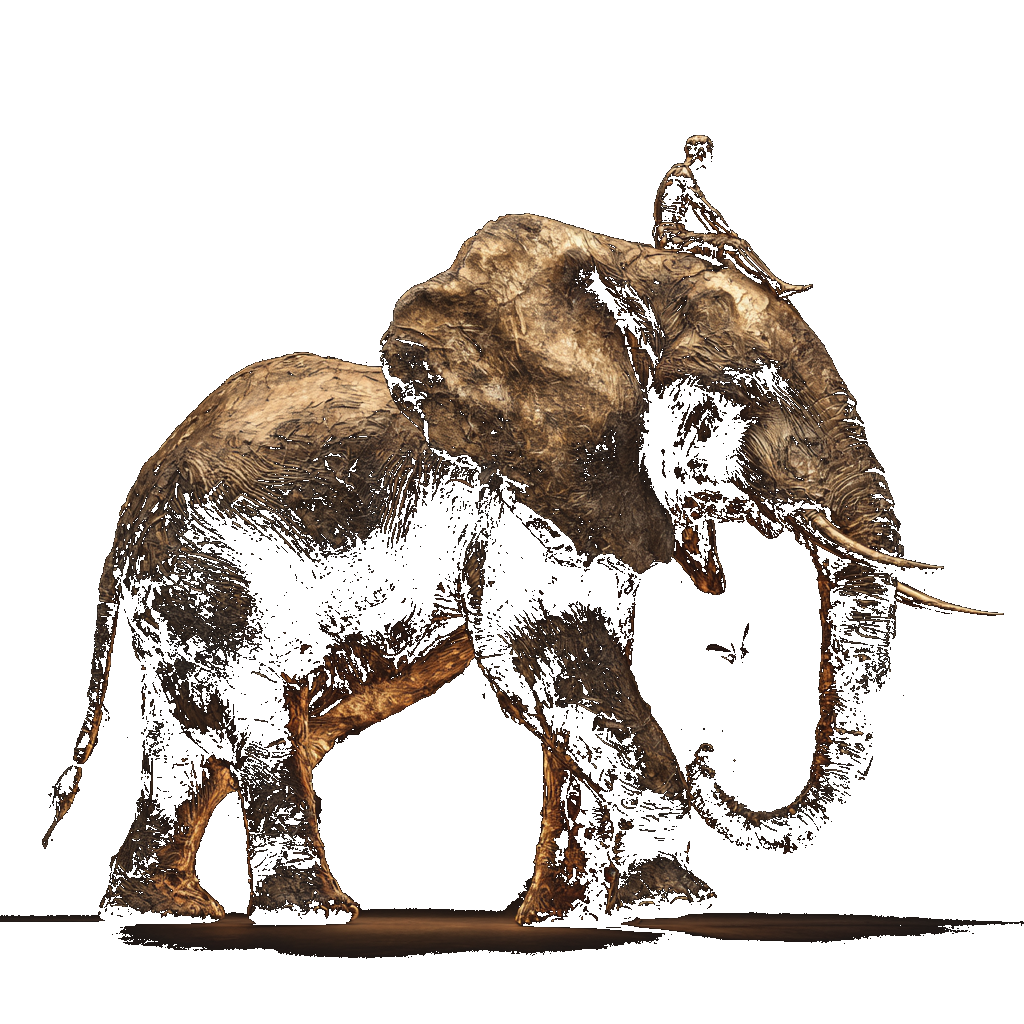

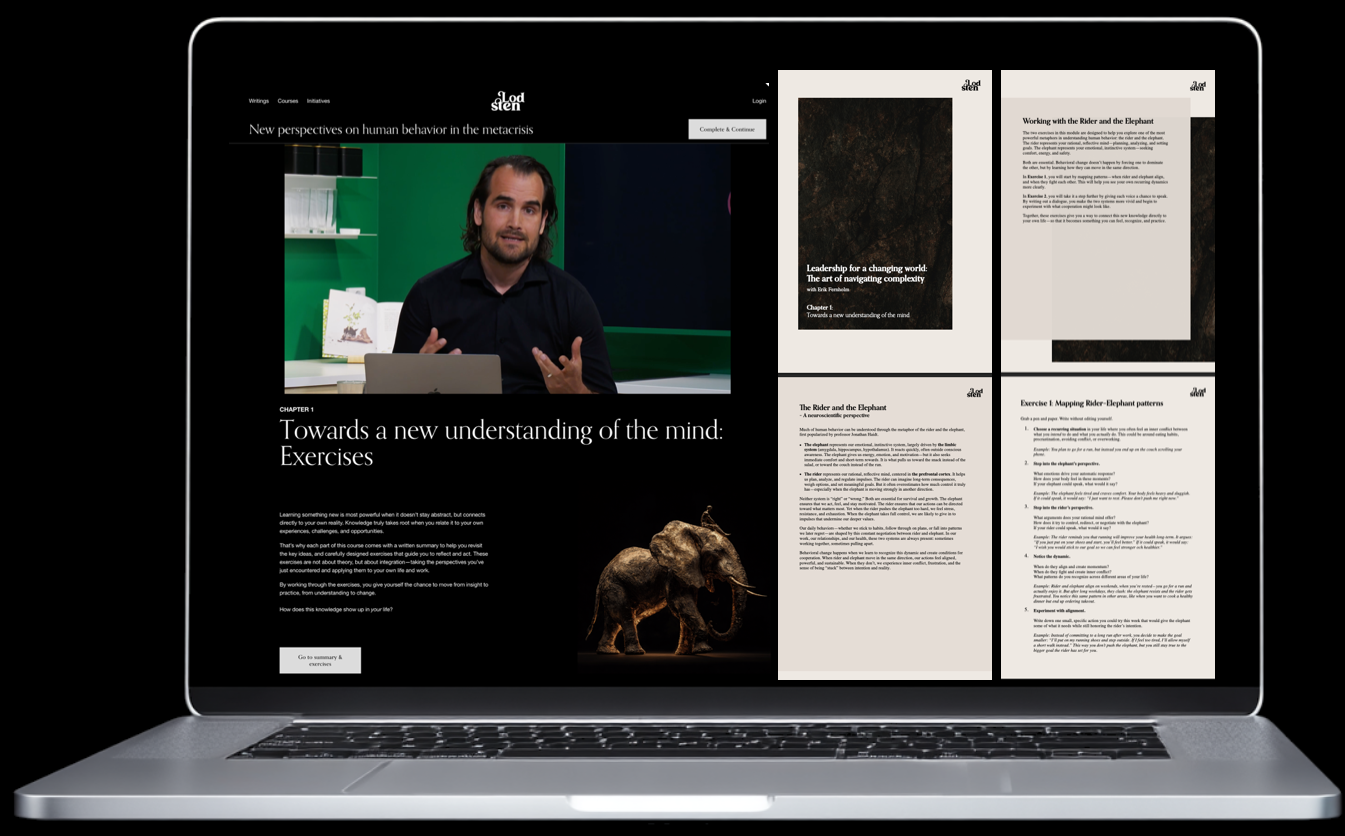
ONLINE PROCESS WITH ERIK FERNHOLM
Created in collaboration with

Why do we so often struggle to do what we know is good for us? Is it possible to change our behavior? And how do these invisible patterns, repeated across people and organizations, grow into the cultures and systems that shape entire societies?
This process helps you understand how the human mind shapes behavior in yourself, in teams, and across organizations. It also reveals how small patterns in the way we think can gradually grow into the cultures and systems that shape our world.
You will develop a deeper understanding for navigating complexity, identifying cognitive blind spots, and understanding why good intentions so often fail to translate into better outcomes.
If you work in leadership, sustainability, transformation, or organizational development, this program offers the cognitive lens most strategies overlook.

Join our Substack
This is where we share reflections, questions, and early thinking on human behavior, leadership, and the transitions shaping our time. We also share updates on upcoming courses, gatherings, and conversations. Some pieces are written by us. Others grow out of dialogue with the wider Lodsten community.
If you want to stay close to our work, Substack is the place to be.