

Further exploration
On this page, we bring together the different parts of the map we are building. You will find our own perspectives alongside the researchers, thinkers, and sources that influence our work.
The purpose is simple: to give you a clear way to explore the ideas behind Lodsten, and to offer reliable entry points if you want to go deeper on your own.
This is not a finished list, and it never will be. As our understanding grows, the collection will grow with it. See it as an ongoing overview, A place where key concepts, useful frameworks, and thoughtful voices are gathered in one spot.
Our hope is that this page helps you make sense of the landscape we are exploring, and supports you in forming your own view of the world it describes.
The map we are exploring:
-

1: The intention
Moa Hartwig, one of Lodsten’s founders, shares why we need to rethink how we see the human being and the systems we have created. She offers insights into what makes us human, what limits us, and what enables real transformation. The aim is to build a shared understanding of the challenges we face and invite a more human way of leading and creating change.
-

2: The paradox
Read about the deeper pattern beneath today’s many challenges. How our natural ways of coping with complexity can trap us in avoidance and short-term fixes, and why lasting progress requires a shift in behavior and perspective. By seeing the pattern clearly, we lay the foundation for more conscious and sustainable change.
-

3: The hidden logic
Learn about Moloch, the hidden logic that drives us to sacrifice what matters most. Discover how we became a society that no longer honors the sacred, and how this force shapes both our personal choices and the larger systems we live within. Moloch names what many of us have long felt but couldn’t describe: a system that rewards short-term gain over long-term well-being, even among well-intentioned people.
-

4: The inner shift
The most important work begins when we ask why we keep creating the same patterns again and again. Much of what drives our world lies beneath awareness. Our beliefs, fears, and desires shape choices that feel personal, yet are influenced by forces we rarely notice. If more of us began to question where our thoughts and motives come from and chose from a deeper place of understanding, we might begin to build a world shaped by wisdom rather than competition.
-

5: The continuum
Erik Fernholm, one of Lodsten’s founders and the initiator of the Inner Development Goals, shares the story behind IDG — why it was created and how it has grown into a global movement. He explores how inner development can become a recognized and essential part of how we meet today’s global challenges, and how we can build the human capacities needed for real and lasting change.
There are many insightful books that explore these themes. Among them, we have selected a handful that we warmly recommend. They are a good place to start for anyone who feels drawn to explore these perspectives.
Books
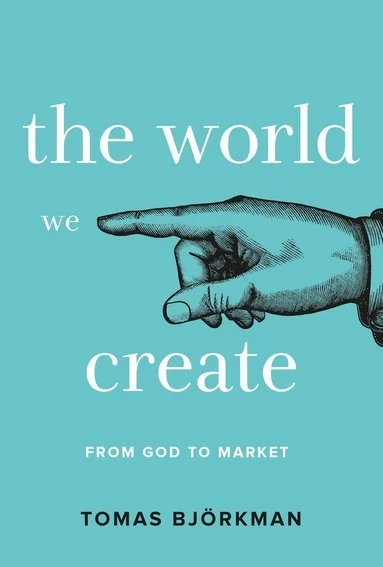
The world we create
by Tomas Björkman
The Denail of Death
by Ernest Becker
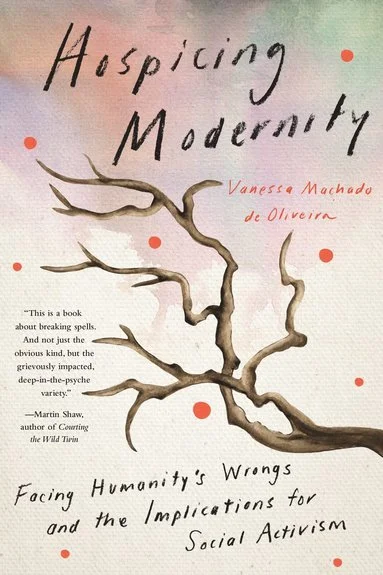
An urgent exploration of how our dominant worldview is collapsing under ecological and social crises. An invitation to face the decline of modernity with honesty and grief, while opening to other ways of knowing. Instead of quick fixes, Machado de Oliveira calls for humility, healing, and inner transformation toward a different future.
Hospicing Modernity
by Vanessa Machado De Oliveira
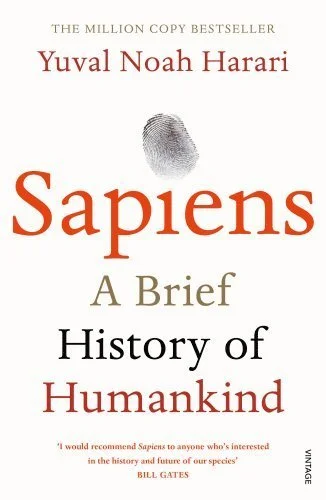
Sapiens: A Brief History of Humankind
by Yuval Noah Harari
A sweeping history of how Homo sapiens came to dominate the planet. Harari shows how shared myths, cooperation, and cultural evolution shaped our societies, and how these same forces continue to define the future of humanity.
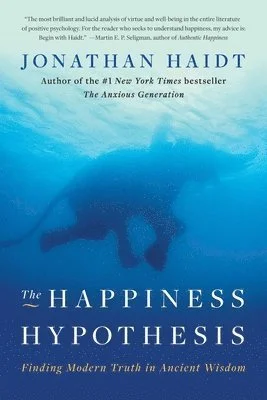
The Happiness Hypothesis
by Jonathan Haidt
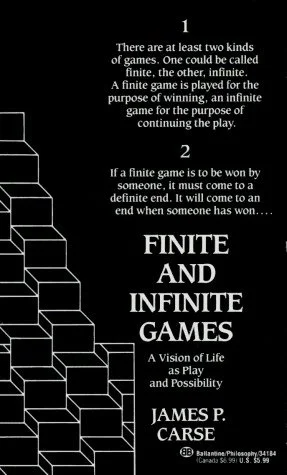
Finite and Infinite Games
by James Carse
Drawing on psychology, philosophy, and neuroscience, Haidt examines what truly makes us happy. A guide to understanding human behavior and the inner conflicts that drive our choices in a complex world.
A philosophical classic that explores two ways of living: playing to win (finite games) versus playing to keep the game going (infinite games). This book helps us see how our mindset, competition versus cooperation, shapes society and our future.
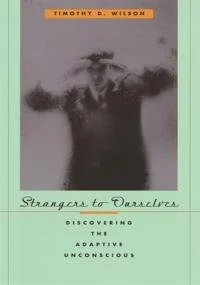
Strangers to Ourselves
by Timothy D. Wilson
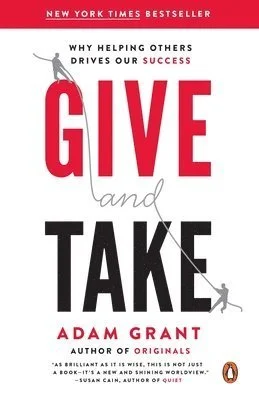
Give and Take
by Adam Grant
Reveals how much of our behavior is shaped by the unconscious mind. By understanding the hidden drivers of our actions, we can begin to see why humans often struggle to solve collective problems.
Grant shows how generosity and collaboration often create greater success than self-interest. A practical exploration of how cooperation can outcompete Moloch-like dynamics of rivalry and short-term gain.
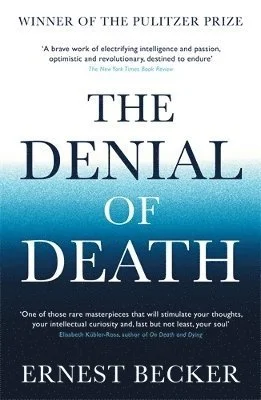
A profound exploration of how our fear of mortality shapes culture, religion, and society. This book explains how denial and distraction influence human behavior—and how that connects to destructive systems.
An invitation to see how human development and cultural evolution are intertwined. Björkman argues that deep inner growth is essential if we are to respond to today’s global challenges.
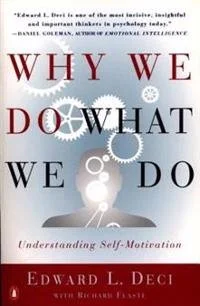
Why we do what we do
by Edward L. Deci
Grounded in decades of research, this book explains self-determination theory and how motivation works. It highlights the importance of autonomy, competence, and connection key to overcoming destructive external pressures.
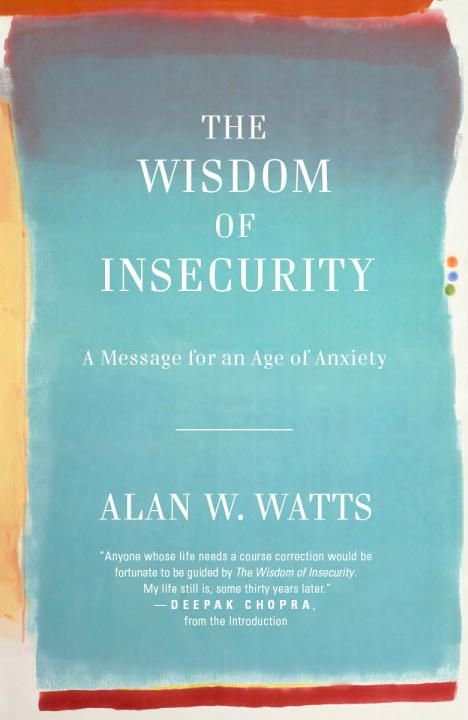
The Wisdom of Insecurity
by Alan W. Watts
A timeless reflection on why our search for certainty leaves us anxious. Watts offers another way of living, embracing presence and uncertainty, which directly challenges the fear-based behaviors driving today’s crises.
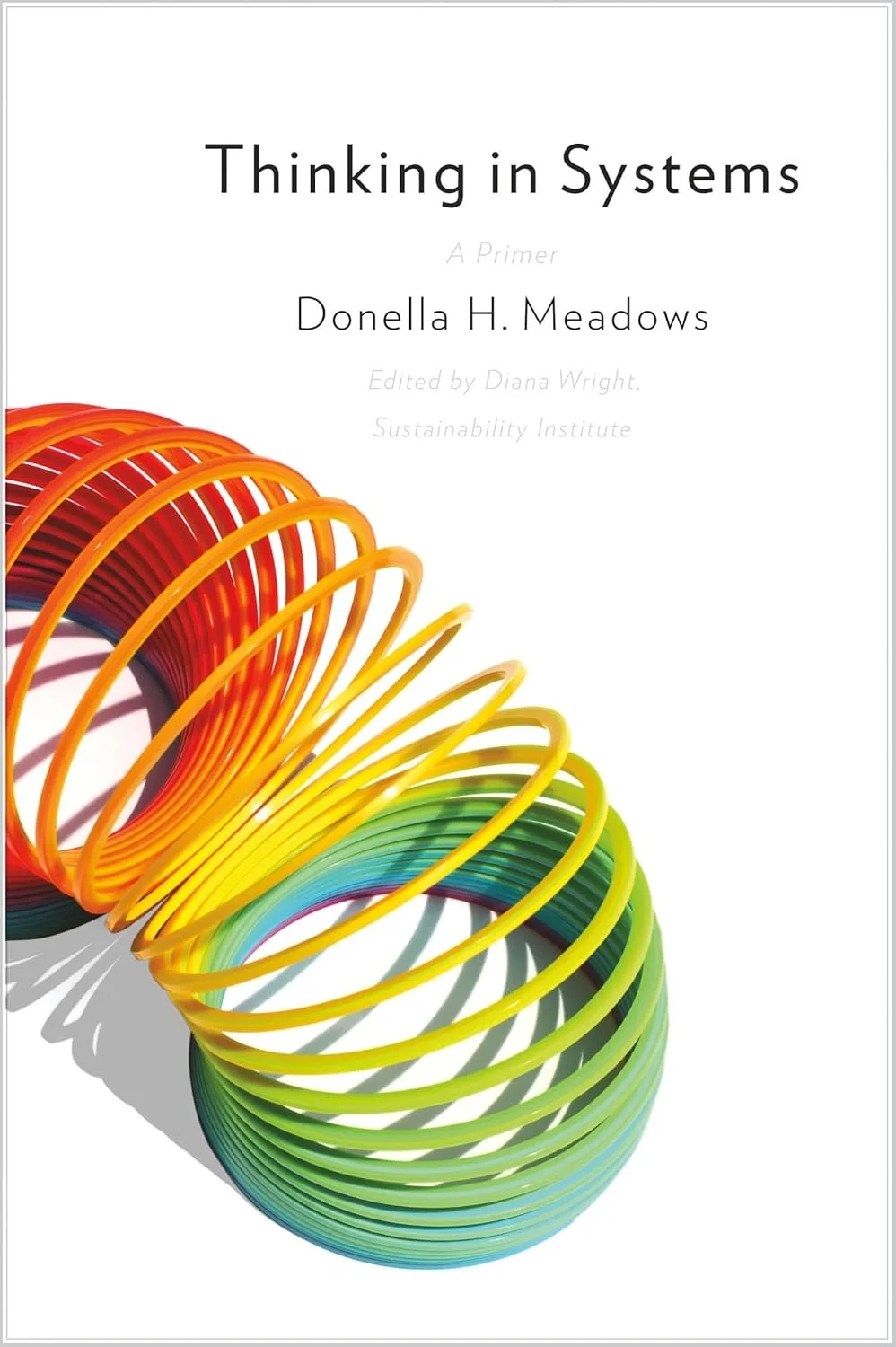
Thinking in Systems
by Donella Meadows
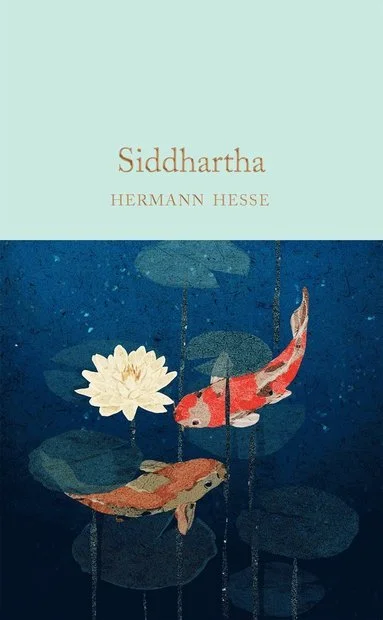
Siddhartha
by Herman Hesse
Grounded in decades of research, this book explains self-determination theory and how motivation works. It highlights the importance of autonomy, competence, and connection key to overcoming destructive external pressures.
A spiritual novel about one man’s search for meaning. While fictional, it offers timeless insights into the human condition, inner transformation, and the paths beyond material striving.
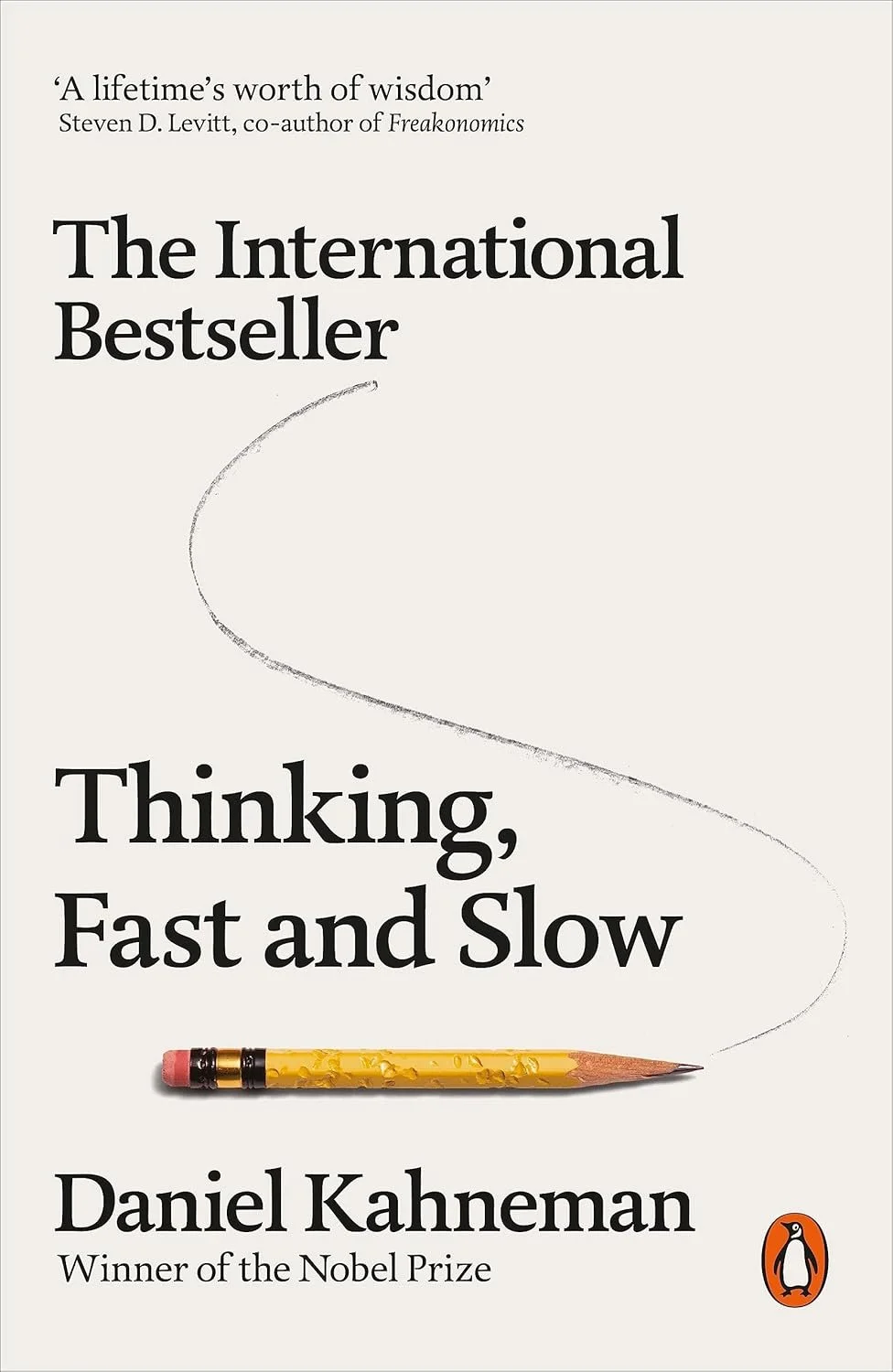
Kahneman uncovers how our minds work in two modes: fast, intuitive thinking and slow, deliberate reasoning. Understanding these patterns helps explain why humans often make irrational decisions in complex systems.
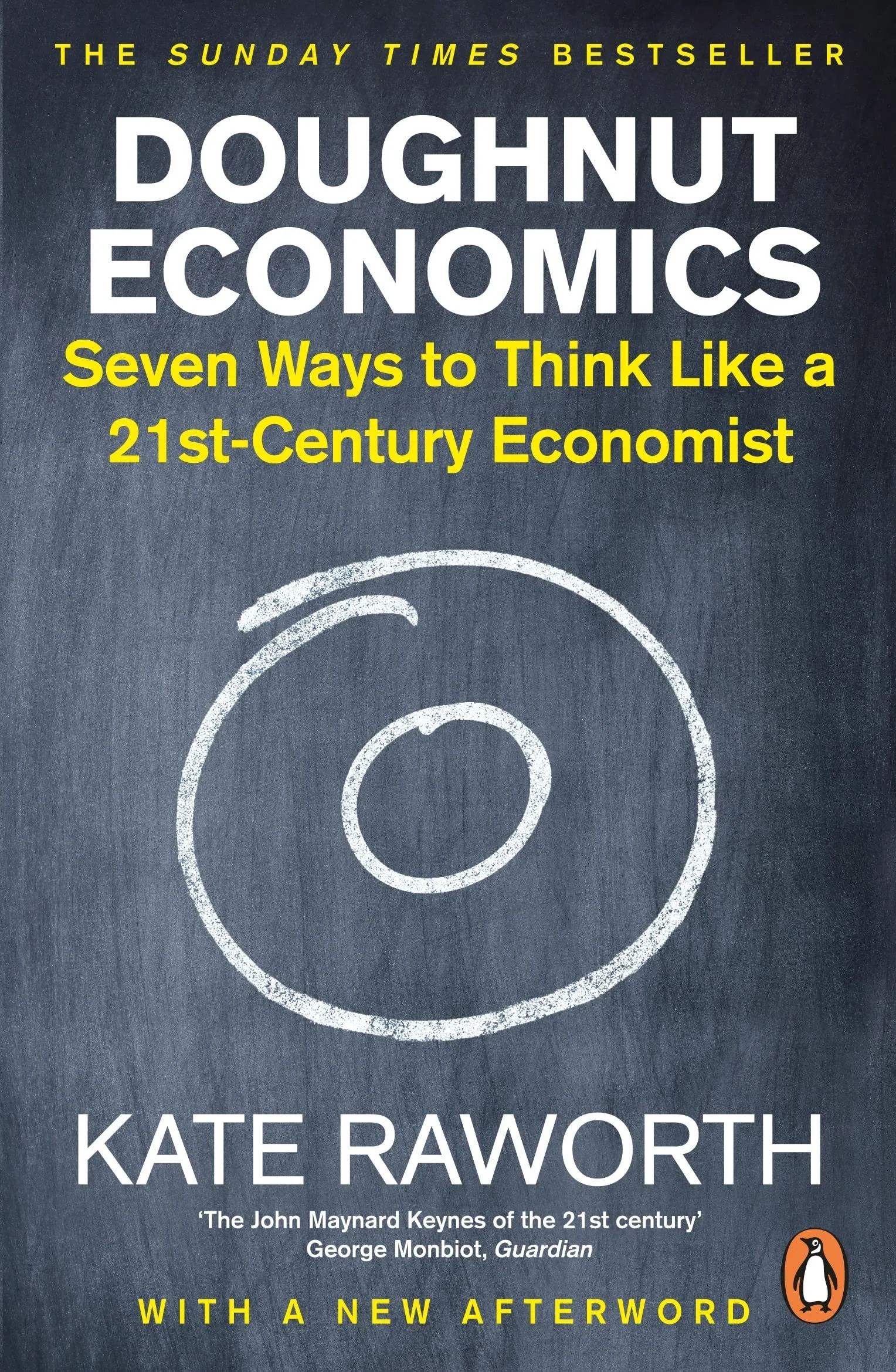
Doughnut Economics: Seven Ways to Think Like a 21st-Century Economist
by Kate Raworth
Thinking, Fast and Slow
by Daniel Kahneman
Raworth reimagines economics for our time, showing how societies can thrive within planetary boundaries. A practical and inspiring model for moving beyond growth-driven systems toward balance and sustainability.
This section includes talks, interviews, and podcast episodes that provide useful perspectives on the themes we explore. Each episode is chosen because it adds clarity, depth, or a practical angle to the subjects we work with.
Talks and podcasts
In english
In swedish
29k Foundation and Aware
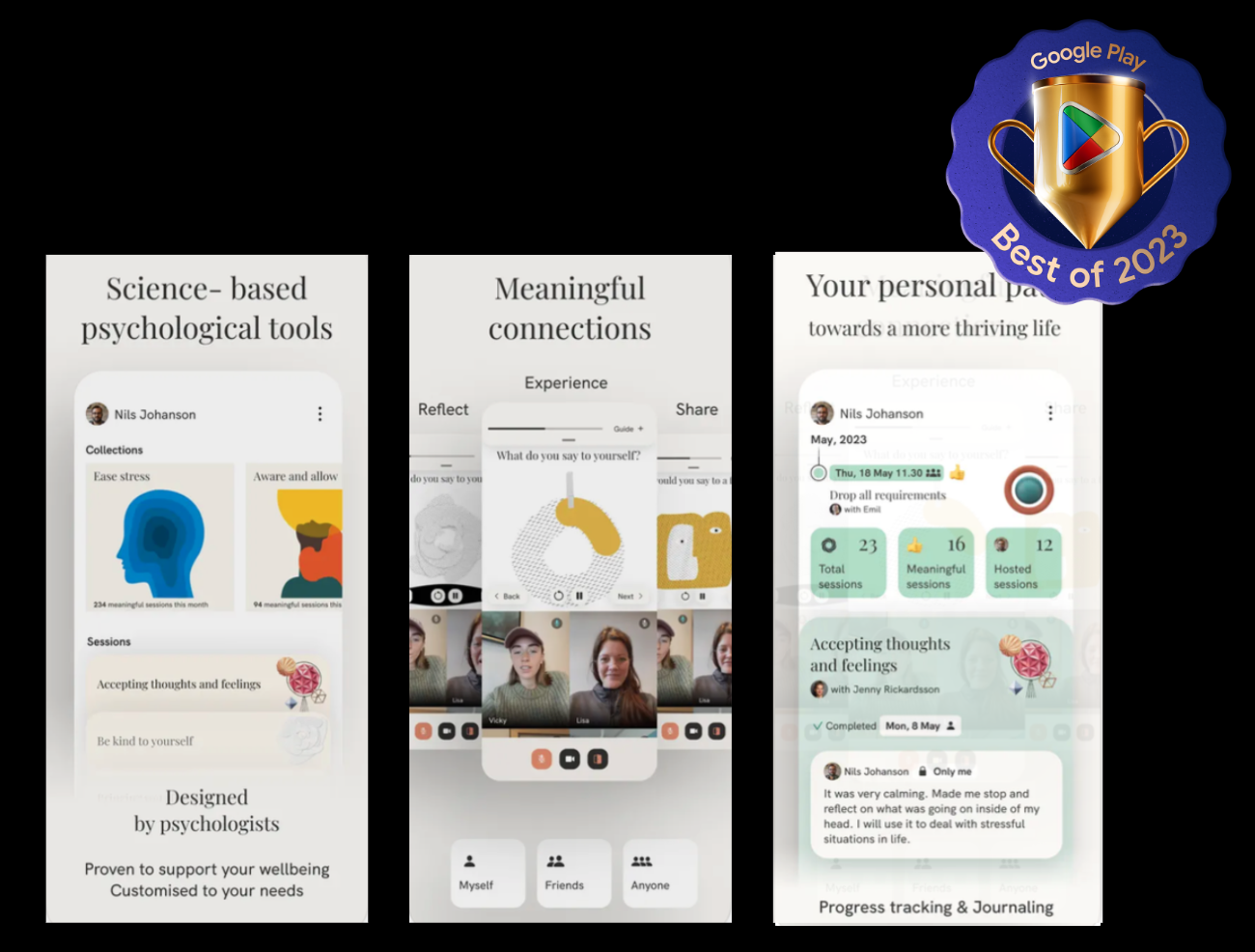
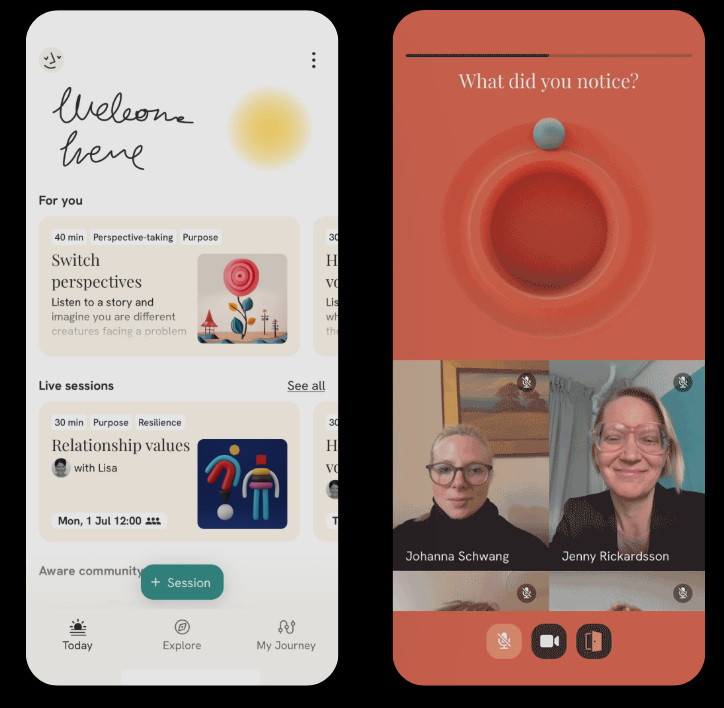
29k Foundation was created with a clear intention: to make inner development and meaningful human connection available to everyone, everywhere. We know that real growth happens in relationship—with ourselves and with others—and that the practices we cultivate together shape the way we live, work, and collaborate.
At the center is the Aware platform, offering free, science-based training programs co-created with researchers and psychologists. The programs are designed to be practiced in small groups, where people meet—online or in person—to share experiences, listen deeply, and learn from one another. This combination of inner training and genuine human encounter is what makes the work unique.
29k is fully open and non-profit. All programs are free and open source, which means they can be used by individuals looking for personal growth as well as by schools, communities, and companies seeking to strengthen psychological safety, collaboration, and resilience. What begins as a conversation among four people can grow into change across entire organizations and societies.
Today, people all over the world are using Aware to build both inner capacities and human connection. And the community keeps growing—through research, new programs, local initiatives, and partnerships that bring the training into new contexts.
If you want to take part in or contribute to 29k Foundation / Aware, you can:
Join a training group on the Aware platform and explore the practices yourself
Use the free programs in your school, workplace, or community
Share your experiences, research, or stories to help deepen the work
Partner with 29k to bring tailored training into organizations and teams
The vision is simple: when people come together to grow on the inside, we also strengthen the bonds and capacities that allow us to face today’s challenges—together.

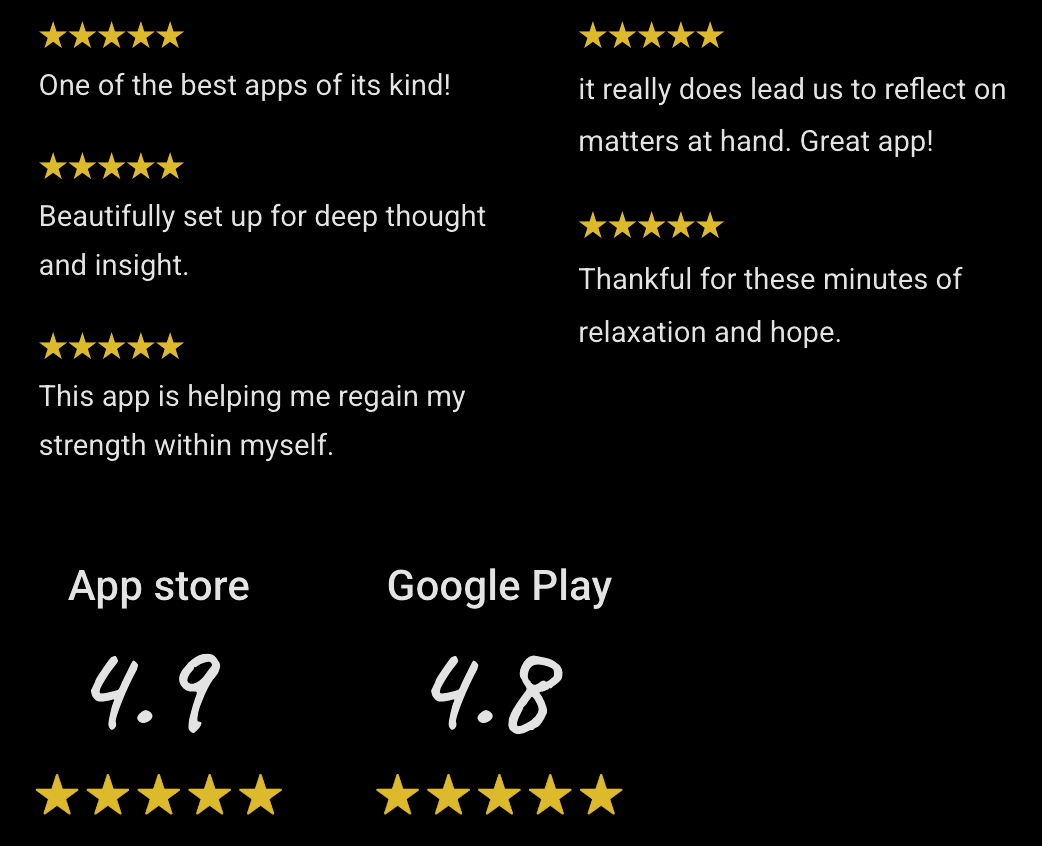


Downloads 500.000+
Changed lives 100.000+
Marginal cost of changing a life <1€